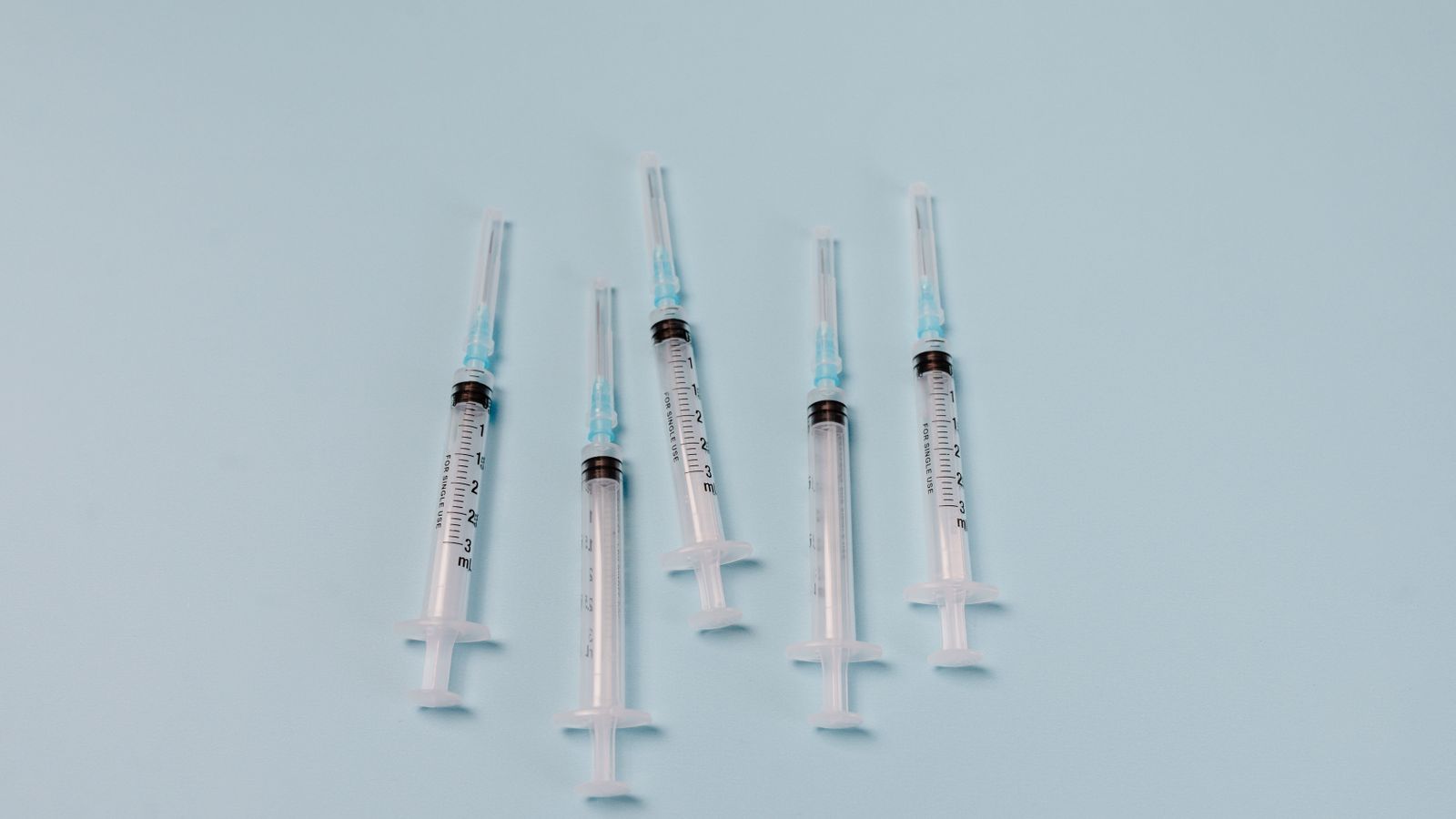
retatrutide
Retatrutide vs Tirzepatide vs Semaglutide as Research Compounds
A comparison of retatrutide, tirzepatide, and semaglutide as research compounds, covering receptor targets, molecular structure, and how listings document purity.
Medically reviewed by Elena Vasquez, DO, physician and clinical researcher — Last reviewed
Elena Vasquez, DO is a Doctor of Osteopathic Medicine with clinical and research experience in metabolic therapeutics, including contributions to IRB-approved research on next-generation weight-management peptides.
Retatrutide vs tirzepatide vs semaglutide is a comparison researchers run into as soon as they start reading listings for GLP-1 pathway peptides, because the three compounds look similar on paper but differ in receptor targeting, molecular weight, and how suppliers document them. This article lays out the structural and listing-level differences without making any claims about outcomes in a person.
Receptor Targets: The Core Difference
The clearest way to separate these three research compounds is by which receptors they are designed to act on in vitro and in animal models described in supplier and manufacturer literature.
Semaglutide is a GLP-1 receptor agonist only. Tirzepatide is described as a dual agonist, acting on both GLP-1 and GIP receptor pathways. Retatrutide extends that further and is described as a triple agonist, adding a glucagon receptor component alongside GLP-1 and GIP. This progression — single, dual, triple — is the main organizing fact that listings, comparison charts, and molecular data sheets reference when distinguishing the three.
That receptor count difference is also why the compounds are not interchangeable in a research design. A protocol built around GLP-1-only activity is not equivalent to one built around a triple-receptor target, and listings that gloss over this distinction are usually the ones worth reading twice.
Molecular Weight and Structure
Each compound is a modified peptide, but they are not the same size or backbone. Semaglutide has the longest track record of the three and the most published structural data. Tirzepatide and retatrutide are larger, more complex peptide chains, which is part of why they are typically supplied at different concentrations and in different vial sizes across catalogs.
| Compound | Receptor targets | Relative peptide size | Common vial sizes seen in listings |
|---|---|---|---|
| Semaglutide | GLP-1 | Smallest of the three | 2 mg, 5 mg |
| Tirzepatide | GLP-1 + GIP | Mid-sized | 5 mg, 10 mg, 15 mg |
| Retatrutide | GLP-1 + GIP + glucagon | Largest of the three | 5 mg, 10 mg, 15 mg |
Vial sizing varies by supplier, so this table describes what shows up commonly in listings rather than a fixed standard.
Reading Purity Documentation Across Listings
Purity is usually reported as a percentage figure from HPLC (high-performance liquid chromatography) testing, and the format looks nearly identical across all three compounds — a certificate of analysis showing a purity percentage, a batch or lot number, and sometimes a mass spectrometry chart confirming molecular weight. What differs is how consistently a given supplier applies that documentation across their retatrutide, tirzepatide, and semaglutide lines.
A listing that provides a matching, batch-specific certificate of analysis for every compound it sells is a stronger signal than one that reuses a single generic purity graphic across its entire catalog. Because retatrutide is a newer and larger molecule than semaglutide, third-party testing infrastructure for it has had less time to mature, so a batch-specific certificate matters even more when comparing retatrutide listings against the other two.
Reconstitution Concentration: A Worked Example
Reconstitution math is the same formula regardless of which of the three compounds is being prepared, but the different common vial sizes mean the resulting concentration per unit differs. Concentration is calculated as vial strength in mg divided by the mL of bacteriostatic water added.
Take a 10 mg retatrutide vial reconstituted with 2 mL of bacteriostatic water:
10 mg ÷ 2 mL = 5 mg/mL
Converting to mcg per mL: 5 mg/mL × 1000 = 5000 mcg/mL
On a U-100 insulin syringe, where 1 mL equals 100 units, each unit marking corresponds to:
5000 mcg ÷ 100 units = 50 mcg per unit
Compare that to a 5 mg semaglutide vial reconstituted with the same 2 mL of bacteriostatic water:
5 mg ÷ 2 mL = 2.5 mg/mL, or 2500 mcg/mL
2500 mcg ÷ 100 units = 25 mcg per unit
The formula does not change between compounds — only the vial strength does, so a listing that quotes concentration without also stating the exact mg and dilution volume it used is giving a number that cannot be checked. A calculator reference at peptcalc.com can be used to cross-check reconstitution math like this against a listing’s stated figures.
Pricing Patterns Across the Three
Retatrutide listings tend to carry a higher price per mg than tirzepatide or semaglutide from the same supplier, which tracks with its larger molecular structure and more recent entry into the research supply chain. Tirzepatide typically sits between the two. When comparing retatrutide vs tirzepatide vs semaglutide pricing across multiple listings, the more informative comparison is price per mg rather than price per vial, since vial sizes are not standardized across suppliers.
A catalog that documents sourcing consistently across all three compounds, rather than only for its highest-margin product, is generally a better indicator of overall listing quality. For a broader view of how a single supplier documents retatrutide specifically, the retatrutide product page lays out the kind of batch-level detail worth comparing against other listings.
Summary
Retatrutide, tirzepatide, and semaglutide share a broad category — GLP-1 pathway peptides — but differ in receptor targets, molecular size, and typical vial sizing, which in turn affects reconstitution concentration and pricing per mg. When evaluating listings for any of the three, the details that matter most are batch-specific certificates of analysis, clearly stated reconstitution volumes, and price comparisons normalized to mg rather than vial count.